Stitch by Stitch: Why Chikankari Is the Power Suit American Women Never Knew They Needed
Photo: Theklan, CC BY-SA 4.0, via Wikimedia Commons
There's a moment that Priya Mehta, a corporate attorney based in Chicago, describes as her "chikankari awakening." She walked into a client pitch wearing a structured ivory chikankari blazer — custom-made by a Brooklyn-based Indian-American designer — over tailored wide-leg trousers. The room went quiet. Not the awkward kind of quiet. The impressed kind.
"People kept asking me where I got it," she laughs. "And honestly, explaining the craft, the history, the women in Lucknow who made it — that became part of my power in that room."
This is the new language of ambition for a growing number of South Asian women in the US, and honestly, for any woman who's tired of the cookie-cutter pantsuit. Chikankari — the centuries-old embroidery tradition born in Lucknow, Uttar Pradesh — has quietly been making its way from heritage wardrobes and Indian weddings into American offices, gallery openings, and conference stages. And it's arriving not as a novelty, but as a statement of identity.
What Even Is Chikankari, and Why Does It Matter?
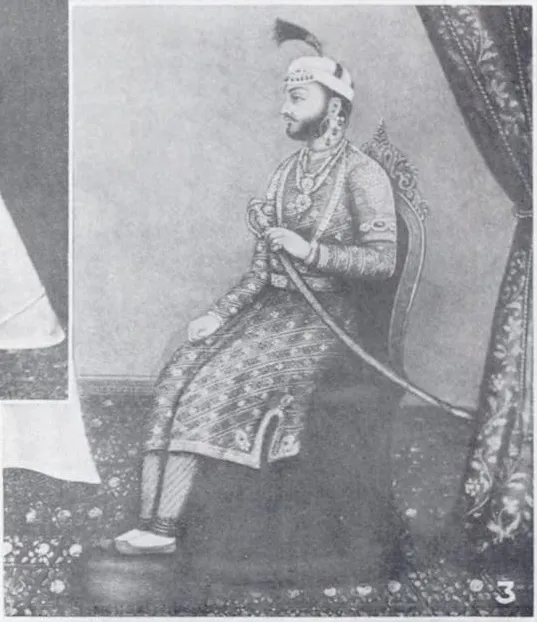
Let's back up for a second. Chikankari is a form of hand embroidery that originated in Lucknow during the Mughal era, with some historians tracing its refinement to the court of Emperor Jahangir in the early 17th century. Legend credits Nur Jahan — Jahangir's powerful, politically savvy wife — with popularizing the craft. Which, honestly, feels fitting for a technique that's now being reclaimed by women who refuse to shrink.
The embroidery itself is intricate, labor-intensive work. Artisans — historically women working from their homes in Lucknow's old city neighborhoods — create delicate floral and geometric patterns using anywhere from 32 different stitches. The result is something that looks effortless and airy but represents hundreds of hours of skilled labor. That contrast — soft appearance, serious craft — is part of what makes it so compelling as a power dressing choice.
Traditionally worked on white or pastel muslin and georgette, contemporary chikankari now appears on everything from deep jewel tones to black silk, structured blazers, co-ord sets, and even denim jackets. The craft has evolved without losing its soul.
The Designers Bridging Lucknow and Lower Manhattan
A new wave of Indian-American designers is doing the heavy lifting of translating this craft for Western wardrobes — and they're not interested in watering it down.
Take Anika Sharma, founder of New York-based label Ruh Studio, who sources directly from karigars (artisans) in Lucknow's Chowk district and designs silhouettes built for American professional life. Think chikankari-embroidered blazers with clean lapels, midi wrap dresses with subtle threadwork at the cuffs, and monochrome kurta sets styled to work under a structured coat.
"I got tired of the idea that Indian craft had to be 'occasion wear,'" Sharma told us. "Chikankari is sophisticated. It's refined. It belongs in spaces where sophisticated, refined women work — which is everywhere."
Similarly, LA-based designer Meera Kapoor of Tehzeeb Collective (tehzeeb meaning culture or refinement in Urdu — a very Lucknow word) has built a devoted following among South Asian professionals who want workwear that honors their heritage. Her bestselling piece? A fitted chikankari blazer in slate gray that she describes as "the blazer your grandmother's city made, redesigned for your corner office."
How to Actually Style It: A Real-World Guide
Okay, let's get practical. Because the goal here isn't to look like you're on your way to a shaadi (wedding). The goal is to look like the most interesting, most intentional person in the building. Here's how to pull it off:
For the Office: Pair a structured chikankari kurta in a neutral — ivory, sage, dusty rose — with tailored wide-leg trousers in a matching or complementary tone. Keep accessories minimal and modern. A gold ear cuff, clean white sneakers or block-heeled mules, and a structured tote. The embroidery does the talking; let it.
For a Presentation or Conference: A chikankari blazer over a crisp white tee and straight-leg jeans is your power casual uniform. This works especially well in creative industries, tech, or any environment where the traditional blazer-and-slacks combo feels stiff. You'll look intentional without looking corporate in a way that feels borrowed.
For an Evening Work Event: A chikankari co-ord set — think a fitted crop top and wide palazzo pants in a deep jewel tone like teal or burgundy — reads as elegant without trying too hard. Add heels and a sleek updo and you're giving boardroom-to-bar energy.
For Virtual Meetings (Yes, This Counts): A chikankari blouse or a kurti with interesting neckline embroidery photographs beautifully on camera. In a world of Zoom fatigue and identical linen button-downs, standing out on screen is its own form of professional strategy.
Wearing Your Roots Is a Radical Act
There's something deeper happening here than a style trend, and the women driving this movement are clear-eyed about it. For Indian-American women who grew up code-switching — wearing Western clothes to school and saving their cultural clothing for home — choosing to walk into professional spaces in chikankari is a quiet but significant act of self-possession.
"I spent years dressing to disappear," admits Kavya Iyer, a product manager at a tech firm in Seattle who has started incorporating chikankari pieces into her weekly rotation. "Now I dress to be seen. And chikankari is the most 'me' thing I can wear."
This is the philosophy that Queen of Lucknow was built on: you don't have to choose between your heritage and your ambition. You don't have to trade one for the other at the door. The most powerful version of you is the one who walks in whole.
Chikankari, with its centuries of history and its quiet, unshakeable elegance, might just be the uniform that whole woman has been waiting for.
Shop chikankari: explore Ruh Studio, Tehzeeb Collective, and direct artisan platforms like GoCoop and Jaypore for authentic, ethically sourced pieces.