Which Awadh Queen Are You? Take the Lucknow Legacy Test and Find Out
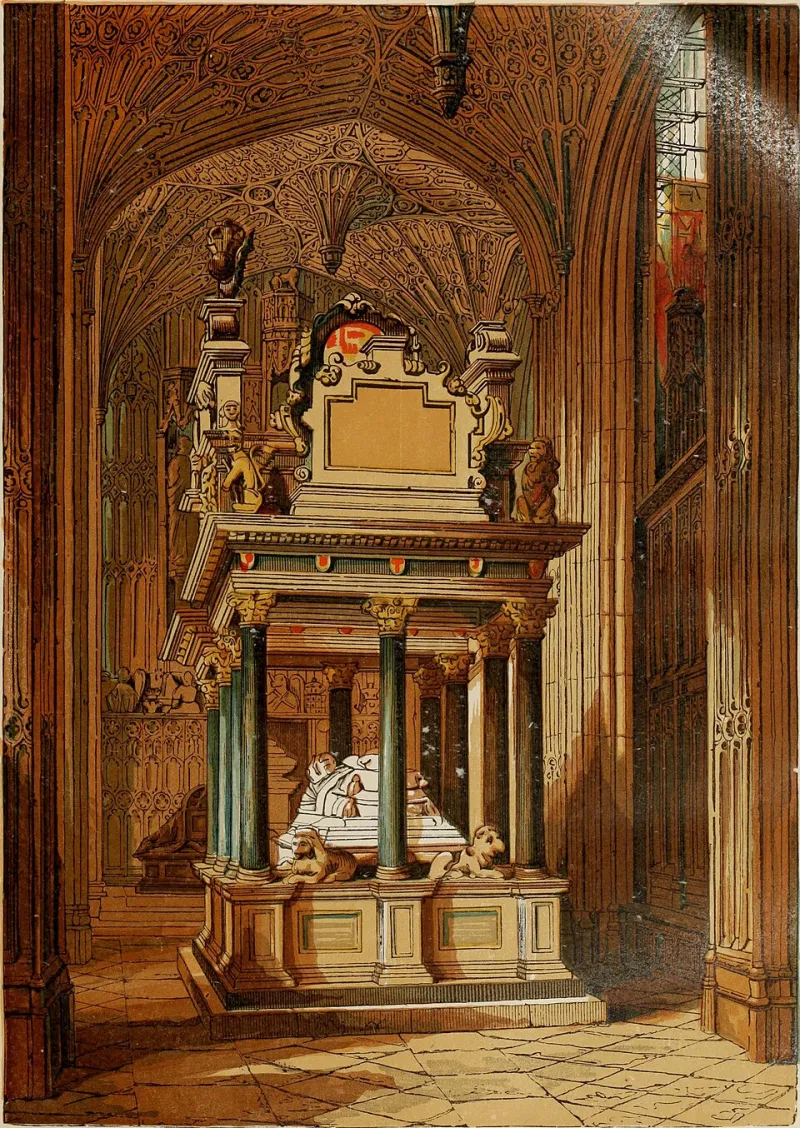
Photo: Knight, Charles, 1791-1873, No restrictions, via Wikimedia Commons
Every personality quiz promises to reveal who you really are. This one's different: it reveals which type of historical badass from Lucknow you would have been — back when the courts of Awadh were run by women who owned property, commissioned architecture, outmaneuvered the British Empire, and made their own perfume.
No Buzzfeed fluff. Real history, real archetypes, one crown at the end. Grab a pen.
Question 1: A crisis hits at 6 a.m. You...
A) Already saw it coming last Tuesday. You have a plan, a backup plan, and a quiet ally in place. B) Start making calls. Resources solve most problems; your network solves the rest. C) Handle it publicly, flawlessly, with excellent lighting. D) First, you ground yourself — then you handle it with precision and grace. E) You break the rule causing the crisis.
Question 2: Your ideal power move is...
A) Everyone thinks someone else won. It was you. B) Funding the thing nobody else would back — then watching it change everything. C) A performance so good the room forgets to breathe. D) A signature so refined they know it's you before they see your name. E) Saying no. Loudly. In writing.
Question 3: Pick your workspace...
A) A quiet room with maps and a locked drawer. B) A construction site you're personally financing. C) A stage, a salon, a spotlight. D) A lab of oils, flowers, and impossible standards. E) Wherever you decide the rules don't apply.
Question 4: Your love language is...
A) Strategy. I will quietly reorganize your entire future for the better. B) Patronage. I will build you something that outlives us both. C) Presence. When I show up for you, the whole world knows. D) Craft. Nothing I give you is ever mass-produced. E) Loyalty — the kind that starts a whole movement.
Now Count Your Letters
Mostly A's: The Strategist — Begum Khurshid Zahir's Court Circle
You are the mind behind the throne. The women of Awadh who wielded this archetype worked through influence, intelligence networks, and impeccable timing — winning wars before they started. Your superpower is patience weaponized. Your weakness? You'll let someone else take credit to keep your cover. (We see you. It's fine.)
Historical grounding: Awadh's court politics ran on precisely this kind of invisible female power — advisors, confidantes, and kingmakers whose names the official chronicles tried to erase. You're the plot twist historians keep finding in the footnotes.
Mostly B's: The Patron — The Begums Who Built Cities
You fund the future. Awadh's royal women commissioned mosques, markets, gardens, and imambaras — physical legacies that still shape Lucknow's skyline. When the men hesitated, the women financed. Your instinct to back what you believe in with real money is centuries old and criminally underrated.
Historical grounding: Begums like Bahu Begum of Faizabad administered entire cities, ran treasuries, and ruled as regents — while European observers wrote condescendingly about "ladies of the harem." The "harem" was out-governing them.
Mostly C's: The Performer — The Tawa'if Salons
You command a room by entering it. The tawa'if of Lucknow were the original multi-hyphenates: poets, musicians, dancers, and conversationalists whose salons were the cultural stock exchanges of their day. Attendance at their mehfils was a status symbol. Your gift is making excellence look effortless — and making the room revolve around you without moving an inch.
Historical grounding: These women trained for years in classical arts, spoke multiple languages, and were the arbiters of taste for the entire elite. When a nawab's son needed polish, he was sent to them.
Mostly D's: The Perfumer — The Attar Masters of Kannauj Road
You are precision wrapped in beauty. Lucknow's perfume tradition — the attars, the ittar-wallas, the rose and oud legacies — was maintained by artisans with standards that would make a Swiss watchmaker weep. You believe the details ARE the work, that subtlety is a flex, and that anyone who says "good enough" has never smelled real gulab attar.
Historical grounding: Lucknow's attar and chikan embroidery trades were powered by generations of women artisans whose names rarely made the ledgers — but whose craftsmanship defined luxury for empires.
Mostly E's: The Rebel — Begum Hazrat Mahal
You cannot be governed. In 1857, when the British annexed Awadh and exiled its king, it was Begum Hazrat Mahal — a former courtesan turned queen regent — who refused to sign away her son's throne. She led the siege of Lucknow, ran a resistance government, and when the British offered her a pension to go away, she published a response that is still a masterclass in contempt. She died in exile in Nepal, undefeated.
You are her. You know exactly which rules were written by people who shouldn't have been writing them.
Your Crown, Your Move
Here's the thing about the Legacy Test: there's no wrong answer, but there IS a follow-up question.
Not which archetype are you? — but what are you doing with it? The Begums built. The tawa'if taught. Hazrat Mahal fought. None of them waited for permission, a seat at the table, or a historical record that spelled their names right.
Share your result, tag your fellow queens, and remember: main character energy isn't a vibe. It's an address. And it's in Lucknow.