Forget Chanel No. 5: Why Lucknow's Ancient Attars Are the Fragrance Revolution American Women Have Been Waiting For
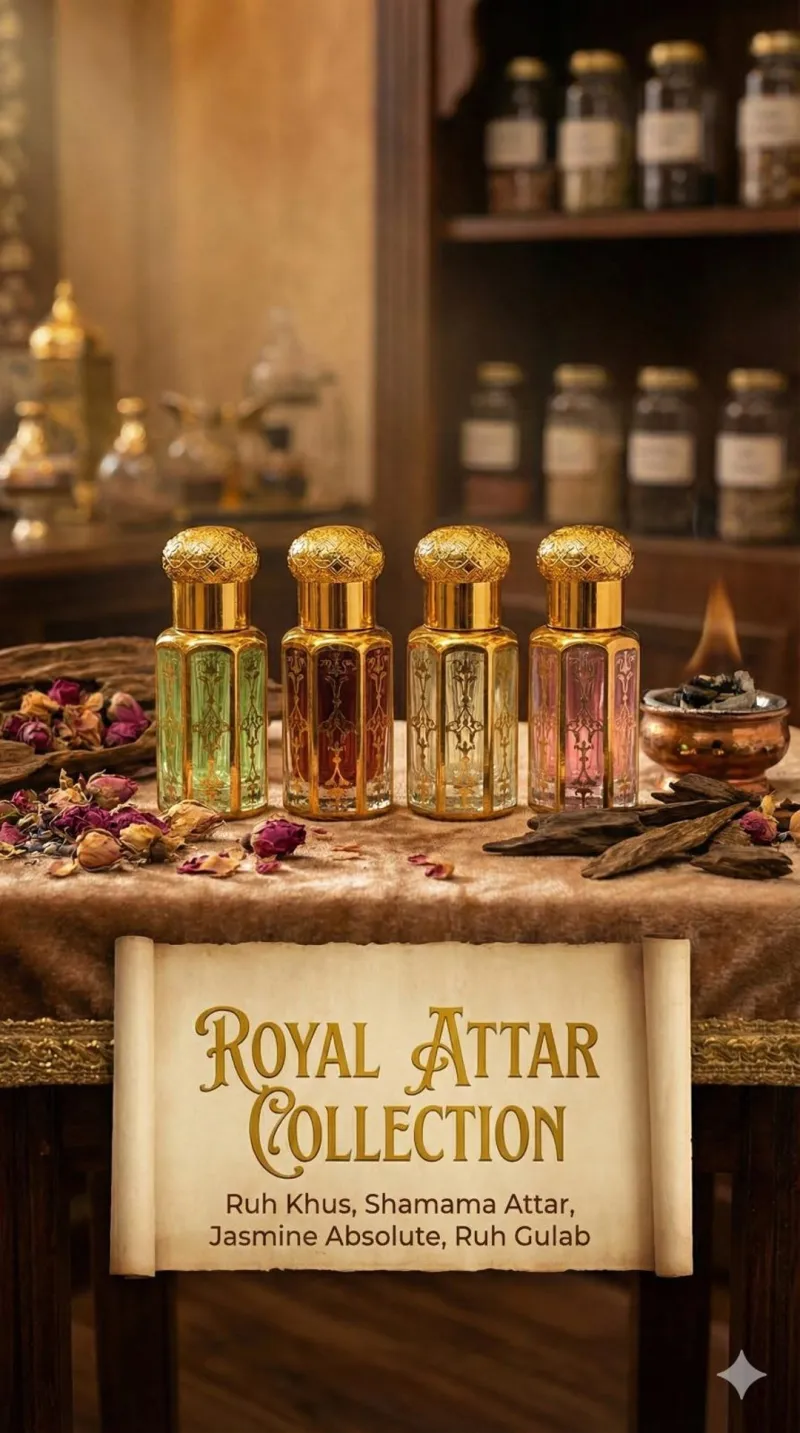
Photo: Indian attar perfume oil bottles with rose petals and spices flat lay, via i.etsystatic.com
There's a moment — and if you've experienced it, you know exactly what we're talking about — when you catch a scent that doesn't just smell good. It does something to you. It shifts your posture. It slows your breath. It makes you feel, inexplicably, like the most powerful version of yourself.
For a growing number of American women, that moment is happening not with a $300 bottle from a Sephora counter, but with a tiny glass vial of Indian attar. And the origin story of these scents? It runs straight through the city of Lucknow.
What Even Is Attar, and Why Should You Care?
Attar — sometimes spelled itr — is a natural perfume oil distilled from botanicals through a process called deg-bhapka, a hydro-distillation method that dates back hundreds of years in the Indian subcontinent. Unlike your average eau de parfum, which is typically a cocktail of synthetic aroma chemicals suspended in alcohol, attar is entirely plant- or mineral-derived. We're talking real rose petals, actual vetiver roots, genuine sandalwood — not a lab approximation of them.
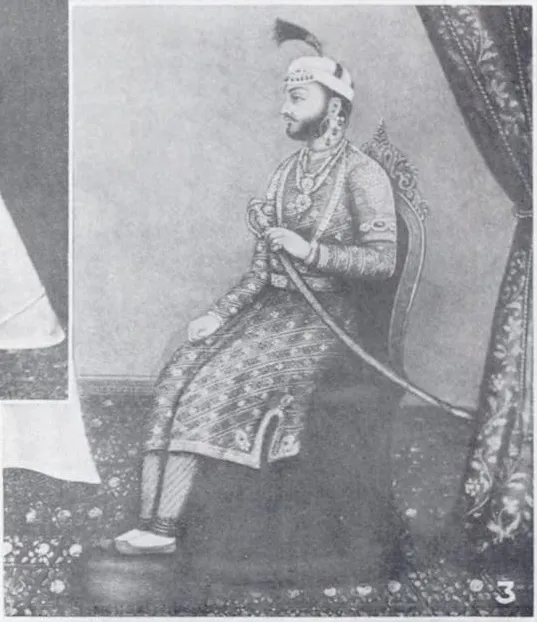
Lucknow became the beating heart of India's attar tradition during the Nawabi era, when the city's culture of tehzeeb — a kind of refined, almost obsessive attention to beauty and elegance — elevated fragrance to an art form. The Nawabs of Awadh were famously particular about their scents, commissioning bespoke formulas the way today's power brokers commission tailored suits. That culture didn't disappear when the Nawabs did. It went underground, into family workshops and generational knowledge passed from father to son — and increasingly now, from mentor to ambitious young woman.
The Scents Themselves Are the Story
Ask anyone who's fallen down the attar rabbit hole, and they'll tell you the scents defy easy comparison to anything you've smelled before.
Gulab — rose — is the obvious entry point. But Lucknow's gulab attar, particularly the variety distilled from Kannauj roses (a neighboring region that supplies much of the raw material for Lucknow's fragrance trade), is nothing like the powdery, grandmotherly rose you might be imagining. It's green and alive, almost dewy, with a warmth underneath that blooms on your skin over hours.
Khus — vetiver — is the one that tends to convert skeptics into obsessives. Earthy, smoky, with a cool undercurrent that somehow manages to smell both ancient and modern, khus has a grounding quality that practitioners of Ayurveda have long associated with calm and centeredness. On a 90-degree New York City summer day, it smells like the temperature has dropped ten degrees on your wrist.
Musk — specifically the traditional deer musk, though most contemporary makers use ethical plant-based alternatives — is the one that stays with you. Not just on your skin, but in your memory. It's intimate and warm, the fragrance equivalent of a voice that carries across a crowded room without ever being raised.
Then there's hina, a complex blend that reads differently on everyone who wears it. Floral, resinous, slightly spiced — it's the scent equivalent of a woman who contains multitudes.
The Women Making the Switch
Jasmine Okafor, a 34-year-old attorney based in Chicago, discovered Lucknow attars through a South Asian colleague who gifted her a small bottle of oud rose for her birthday. "I wore it to a deposition and three different people asked me what I was wearing," she laughs. "I've been wearing designer fragrances my whole adult life, and nothing has ever gotten that reaction."
What kept her coming back wasn't just the compliments, though. It was the longevity — attar, applied directly to pulse points as an oil, tends to last significantly longer on skin than alcohol-based sprays — and the intimacy of it. "It smells like me," she says. "Like an amplified version of me. Not like a bottle that a thousand other women in my building are also wearing."
That sentiment comes up again and again among women who've made the switch. In an era of hyper-personalization, the idea of wearing something that evolves uniquely on your skin chemistry, something with a lineage and a story, is enormously appealing.
Preeti Sharma, who runs a popular Indian beauty and lifestyle account out of Los Angeles, has been evangelizing Lucknow attars to her predominantly American audience for two years. "My followers are exhausted by the same celebrity fragrance launches every season," she says. "When I introduce them to something with actual history — something that was being crafted before America was even a country — it hits differently."
The Makers Keeping the Tradition Alive
In Lucknow's Chowk district, families like the Agarwals have been distilling attars for four generations. Speaking over a video call, Meena Agarwal, who now manages the family's small export operation alongside her father, describes the process with the kind of quiet pride that only comes from knowing your craft deeply.
"The deg-bhapka process cannot be rushed," she explains. "You cannot automate intuition. My father knows by the sound of the steam, by the color of the condensate, whether the batch is right. That knowledge is not in any book." She pauses. "And now I know it too."
Meena started fielding international orders about three years ago, largely driven by demand from the US market. The orders, she notes, are increasingly coming from women — and not just women of South Asian heritage. "American women who care about clean beauty, about sustainability, about knowing where their products come from — they find us and they understand immediately what we are doing."
How to Wear Attar Like You Mean It
If you're new to the world of Indian fragrance oils, a few things to know: a little goes a long way. We're talking one or two drops on pulse points — wrists, the inside of your elbows, the base of your throat. Resist the urge to rub your wrists together; that breaks down the fragrance molecules and mutes the top notes.
Attar is also a commitment in the best possible way. It doesn't announce itself from across the room the way a heavily sprayed eau de toilette does. It's discovered up close. It's personal. It rewards proximity.
For beginners, gulab or hina are approachable starting points. If you're ready to go deeper, khus will change your relationship with fragrance permanently. And if you want to understand why the Nawabs of Lucknow were so famously difficult to impress — try a well-made musk and report back.
The Bigger Picture
The rise of Lucknow's attars in the American market isn't just a beauty trend. It's part of a broader, overdue reckoning with the idea that sophistication has a geography — and that geography isn't always Paris or New York.
Bold women have always known that the most powerful things you can wear are the ones with a real story behind them. Lucknow's fragrance tradition has been telling one for centuries. American women are finally listening — and the scent of that recognition is something like roses, and vetiver, and the particular electricity of a long-overdue arrival.