Before Beyoncé, There Was the Tawa'if: The Original Queens Who Owned Their Power
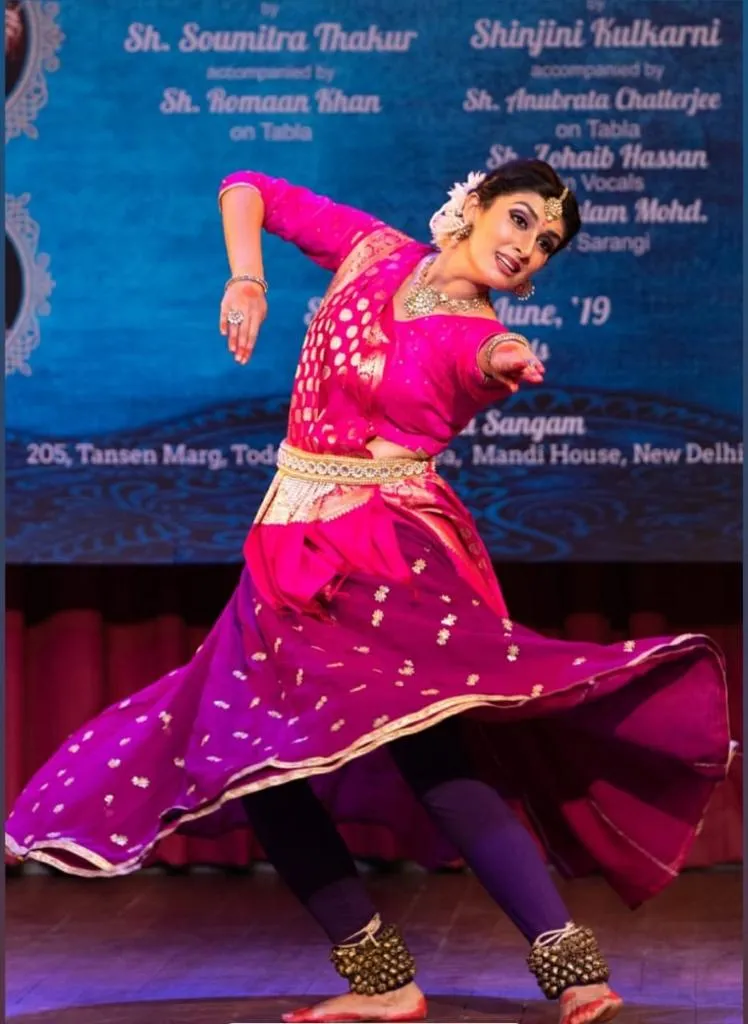
Photo: Shinjinikulkarni, CC BY 4.0, via Wikimedia Commons
Let's get one thing straight right out of the gate: the tawa'if of Lucknow were not victims. They were not women who needed saving. They were not the tragic, passive figures that colonial-era narratives — and honestly, a lot of modern Bollywood — have tried to make them. They were the most educated, most artistically accomplished, most economically self-sufficient women in 19th-century South Asia. And it's past time we talked about them like it.
If you've been sleeping on this history, consider this your wake-up call.
Who Were the Tawa'if, Really?
The word tawa'if gets translated as "courtesan," and sure, that's technically in the ballpark — but it carries none of the weight, none of the grandeur, none of the sheer complexity of what these women actually were. Think less Pretty Woman, more Renaissance woman.
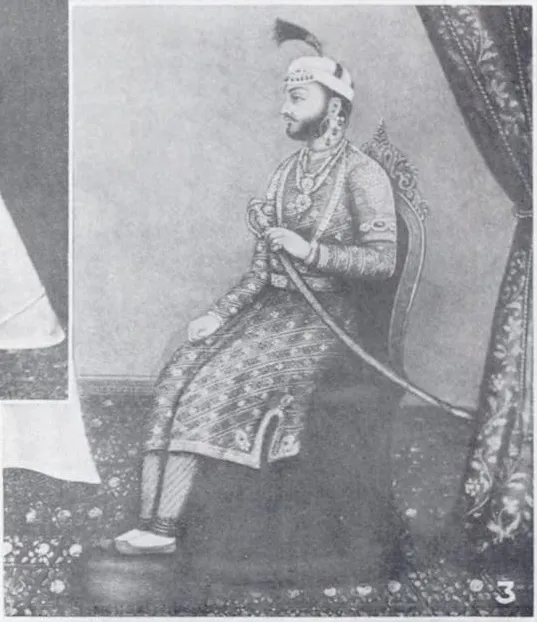
In the golden era of Lucknow's Nawabi culture — roughly the 18th and 19th centuries — the tawa'if occupied a singular position in society. They were the custodians of tehzeeb, the refined culture of etiquette, language, and art that Lucknow became world-famous for. Aristocratic families sent their sons to the kothas — the tawa'if's salons — not for anything scandalous, but to learn how to speak Urdu correctly, how to carry themselves with grace, how to appreciate music and poetry. If you wanted to be considered truly cultured in Lucknow, you needed to move through those rooms and earn the approval of the women who ran them.
Let that sink in. These women were the cultural gatekeepers. The tastemakers. The standard-setters.
Masters of an Art Form That Almost Died With Them
The tawa'if didn't just perform classical dance and music — they invented and refined it. Genres like thumri, dadra, and the intricate footwork vocabulary of Kathak as we know it today were shaped enormously by their contributions. They weren't students of the form; they were, in many cases, its architects.
Kathak, which has found a passionate audience in the US through dance academies from New York to Houston, carries the fingerprints of these women in every spin and every expressive gesture. When American dancers learn this art form today — whether in a studio in Chicago or watching a YouTube tutorial — they are, whether they know it or not, inheriting a lineage built by tawa'if.
That lineage almost didn't survive. British colonialism, with its particular obsession with reordering Indian social structures around Victorian notions of morality, systematically dismantled the kotha culture. The Anti-Nautch Movement of the late 19th and early 20th centuries, a campaign to ban public dancing by women deemed "disreputable," effectively criminalized the tawa'if's profession and stripped them of legal protections they had previously held. Many lost their property. Many lost their livelihoods. The art forms they had stewarded for generations were nearly erased.
The Economic Independence Nobody Talks About
Here's the part of the story that tends to make people uncomfortable — in the best possible way.
In a society where most women had virtually no legal or economic standing, the tawa'if owned property. They held contracts. They negotiated their own terms. Some became extraordinarily wealthy. They were not dependent on husbands or fathers for their financial survival because the system they operated within — the kotha — was an institution they controlled.
Now compare that to the average upper-class woman of the same era in Lucknow, or for that matter in Victorian England or antebellum America: confined to domestic spaces, legally subordinate to male relatives, with essentially zero economic agency. The tawa'if, by contrast, were running businesses, patronizing other artists, and building legacies on their own terms.
Does that mean their lives were without hardship or exploitation? Absolutely not. The system had its own hierarchies and vulnerabilities, and romanticizing it would be dishonest. But the point is that the narrative of the passive, powerless South Asian woman — the one that Western audiences have been fed for decades — completely collapses when you look at who the tawa'if actually were.
What Their Legacy Means Right Now
So why does this matter today, specifically to women in 2024 who are navigating their own complicated relationships with power, respectability, and identity?
Because the tawa'if were punished for existing outside the boundaries of what their society considered "respectable" femininity. Sound familiar? The specific form that punishment took was different, but the underlying logic — that women who operate outside sanctioned roles deserve to be marginalized, dismissed, or legislated out of existence — is one that contemporary women are still fighting against.
The tawa'if didn't ask for permission to be brilliant. They didn't wait for a seat at the cultural table. They built the table, set it beautifully, and decided who got to sit at it. That's not just historical trivia. That's a blueprint.
For women of South Asian descent in the US who are navigating the tension between cultural expectations and personal ambition, the tawa'if offer something that no amount of Western feminist theory quite captures: a home-grown model of feminine power that is unapologetically rooted in Indian culture. You don't have to look to someone else's history for examples of bold women who rewrote the rules. Lucknow gave you one. Several hundred, actually.
Reclaiming the Narrative
Filmmakers, academics, and artists are starting to push back against the flattened, tragic version of the tawa'if's story. Films like Umrao Jaan have humanized individual tawa'if, but broader cultural reclamation is still very much in progress. Scholars like Veena Talwar Oldenburg have done crucial work excavating the actual economic and social structures of kotha life, and their findings complicate every easy assumption.
For the rest of us — the women who aren't academics but who feel the pull of this history anyway — the reclamation can be simpler. It can look like learning Kathak. It can look like listening to thumri. It can look like refusing to accept the idea that your ambition, your artistry, or your refusal to shrink yourself is somehow culturally inauthentic.
The tawa'if of Lucknow didn't apologize for what they were. They performed, they earned, they created, and they endured. Their legacy is not a cautionary tale. It's an inheritance.
Claim it.